Systems 2 min read
The Next Phase
It starts with a tense house and learning to read the room. It ends at Phase 9.
-
Behind the decks
-
The room, listening
-
Live, somewhere dark
-
Outside, after
I didn’t grow up in an emotionally simple home. There was tension, and as a kid I didn’t understand what I was feeling. What I remember is learning to pay attention. Tone, mood, small shifts in a room. Kids can’t always name what’s happening around them, but they feel it, and they adapt. Looking back, that’s where my ability to read people and situations comes from. Not from studying anything. From needing to.
One thing I understood later: most of the anger I saw growing up wasn’t strength. It was insecurity wearing a louder voice. Understanding that changed how I see people. It’s hard to stay angry at someone once you can see what’s underneath.
Over time, that sensitivity turned into curiosity. I stopped just reacting to things and started asking why they happen. Why do people act the way they do? Why do the same situations keep repeating? The more I watched, the more I saw that very little is random. There are patterns underneath almost everything - incentives, habits, feedback loops quietly steering the outcome. If I had to describe how I think in one line: I want to understand the system underneath the thing.
That’s why I’m quiet in some rooms. When people read me as distant, I’m usually just processing, watching how the pieces move. I pay attention to my own head the same way. Habits, emotional loops, the stories I tell myself. Your mind runs on patterns like everything else, and once you can see a pattern, you can start changing it.
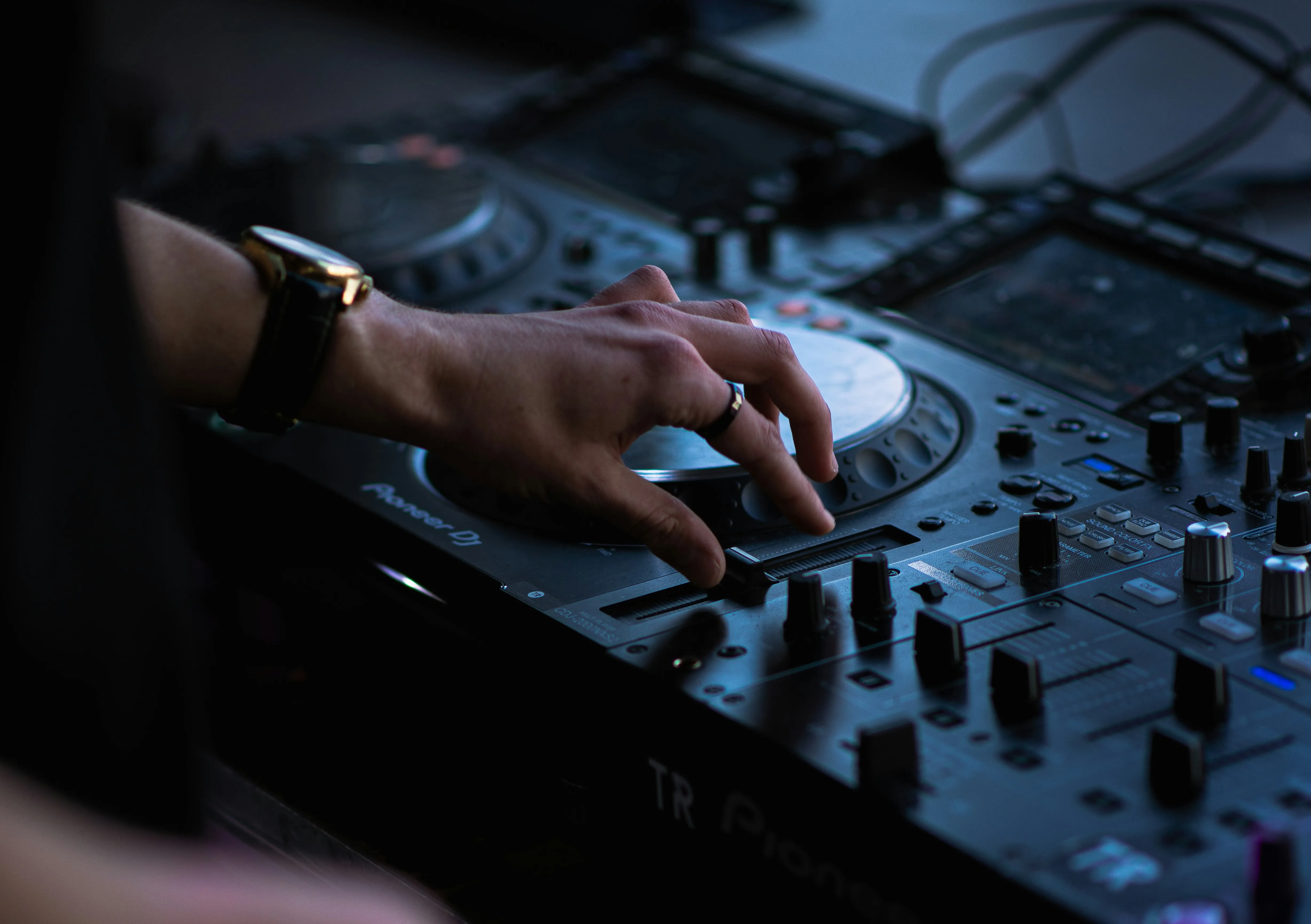
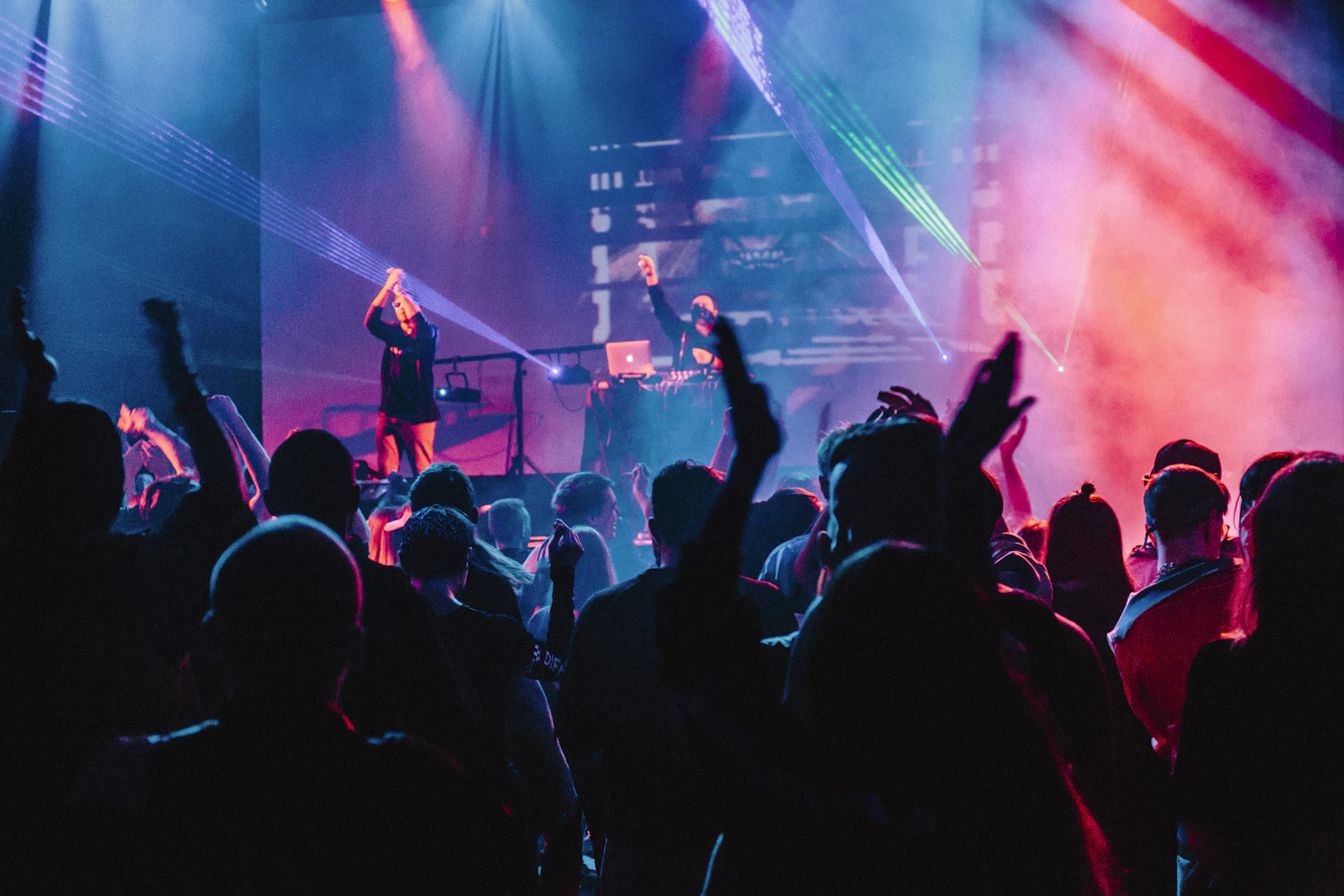
Music is where all of this comes together. Production is half art, half engineering - emotion on one side, sound design and physics on the other. But DJing is where it becomes real for me. Behind the decks, the analysis shuts off. The music, the movement, and the energy of the room become one thing, and instead of thinking about the system, I’m inside it.
That’s what Phase 9 means. Electronic music moves in phrases, usually eight bars, repeating, building familiarity. But the power isn’t in the repetition. It’s in what happens after it. A new layer comes in, the tension changes, the energy turns. The loop becomes something else. Phase 9 is that moment - the point where repetition becomes evolution.
Life works the same way. Growth almost never comes from sudden reinvention. It comes from repetition, awareness, and small adjustments made over and over. That’s how a groove develops. That’s how a skill matures. That’s how a life moves.
The philosophy is simple: stay curious about how things work, keep refining the system you’re in, and let the momentum build.
Do that long enough and something shifts.
You reach the next phase.
- Trung :)